In the mid‑ to late‑1990s, Mandy Lee Jandrell was a core member of Sluice, a collaborative art collective formed in Cape Town during a transformative moment in South Africa’s history.
For its second major project Sleuth, the Sluice group consisted of Dorothee Kreutzfeldt, Mandy Lee Jandrell, Tom Cullberg, Julia Rosa Clark and Adam Lieber, working collectively to produce one of their most ambitious installation environments.
Sleuth was exhibited as part of Graft, the only all‑South African exhibition included in the Second Johannesburg Biennale in 1997, directed by Okwui Enwezor.
Curated by Colin Richards, Graft was critically recognised for its incisive engagement with the sociopolitical climate of the time. Richards centred the exhibition on three intertwined meanings of the word “graft”: the botanical act of joining, labour and endurance (“to graft hard”), and the notion of corruption—an especially charged framework in a country navigating the complexities of its early democratic era.
The exhibition brought together a group of younger artists, many then emerging into national visibility, including Alan Alborough, Tracey Rose, Moshekwa Langa, Siemon Allen, Candice Breitz, Sandile Zulu, Johannes Phokela and Angela Ferreira, alongside the Sluice Group.
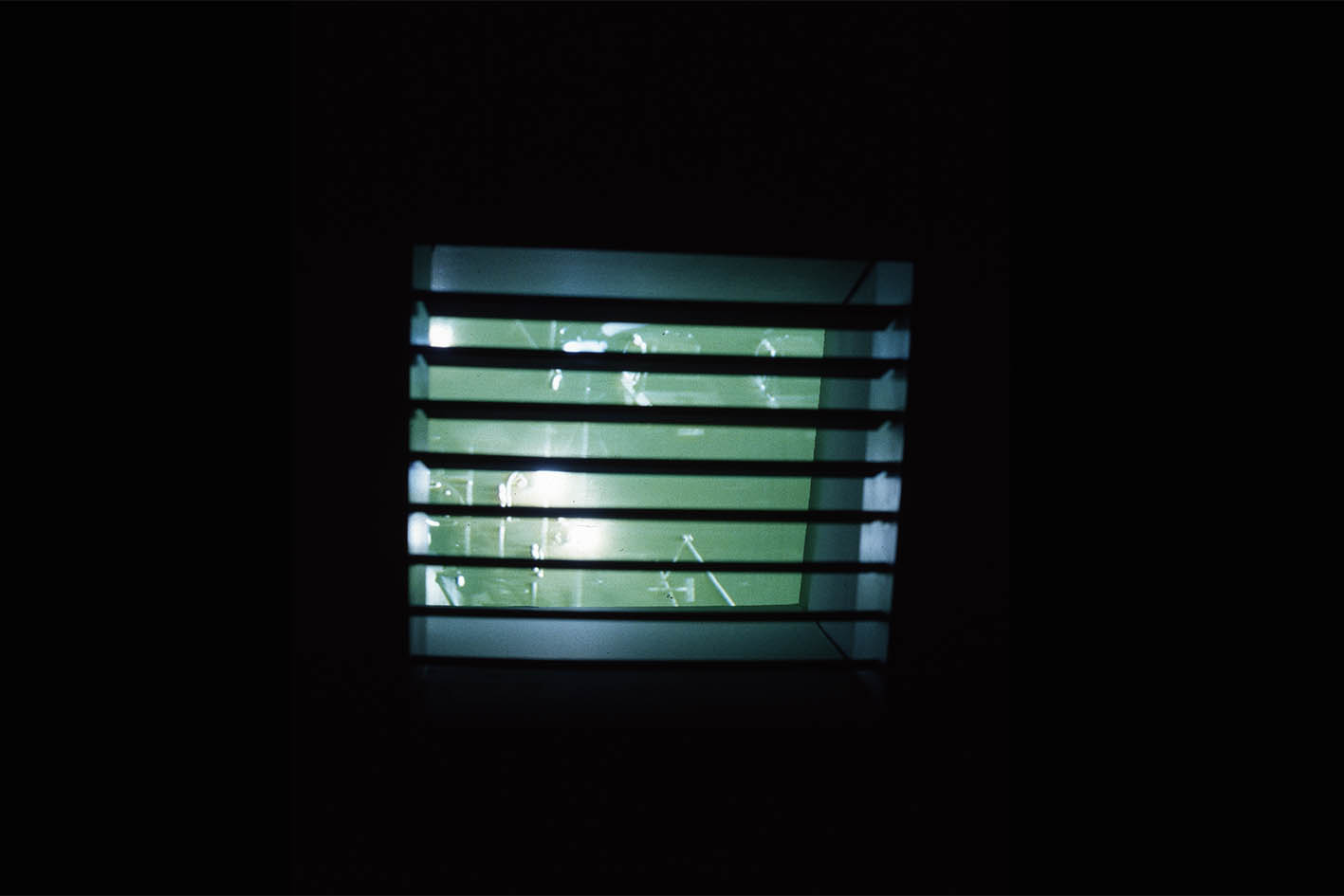
Within this context, Sleuth presented an immersive, psychologically charged environment that re‑imagined a bureaucratic or authoritarian space.
Through a series of built booths, viewers accessed fragments of content through ventilation grids—structures reminiscent of confessionals or peepshows, invoking themes of secrecy, surveillance and mediated perception.
The installation offered a layered exploration of a city undergoing profound change. Drawing on the shifting urban experience of Cape Town, Sleuth wove together multiple narratives and modes of navigating the city. It reflected a society emerging from its colonial foundations while grappling with the uncertainties and possibilities of a newly democratic era. Using spy equipment—cameras, audio recording devices and surveillance‑like mechanisms—the group introduced multiple voices and perspectives into the confined architecture of their constructed space. The result was a disorienting yet compelling environment that foregrounded questions of visibility, power, memory and the ways in which urban experience is shaped by overlapping public and private narratives.
Sleuth stands as a significant example of Sluice’s collaborative methodology and their interest in immersive installation, social tension and the psychological architectures of everyday life. Through its intricate layering of form, content and concept, the work captured a city—and a nation—on the threshold of reinvention.

Sleuth/Rixdollar, South African National Gallery
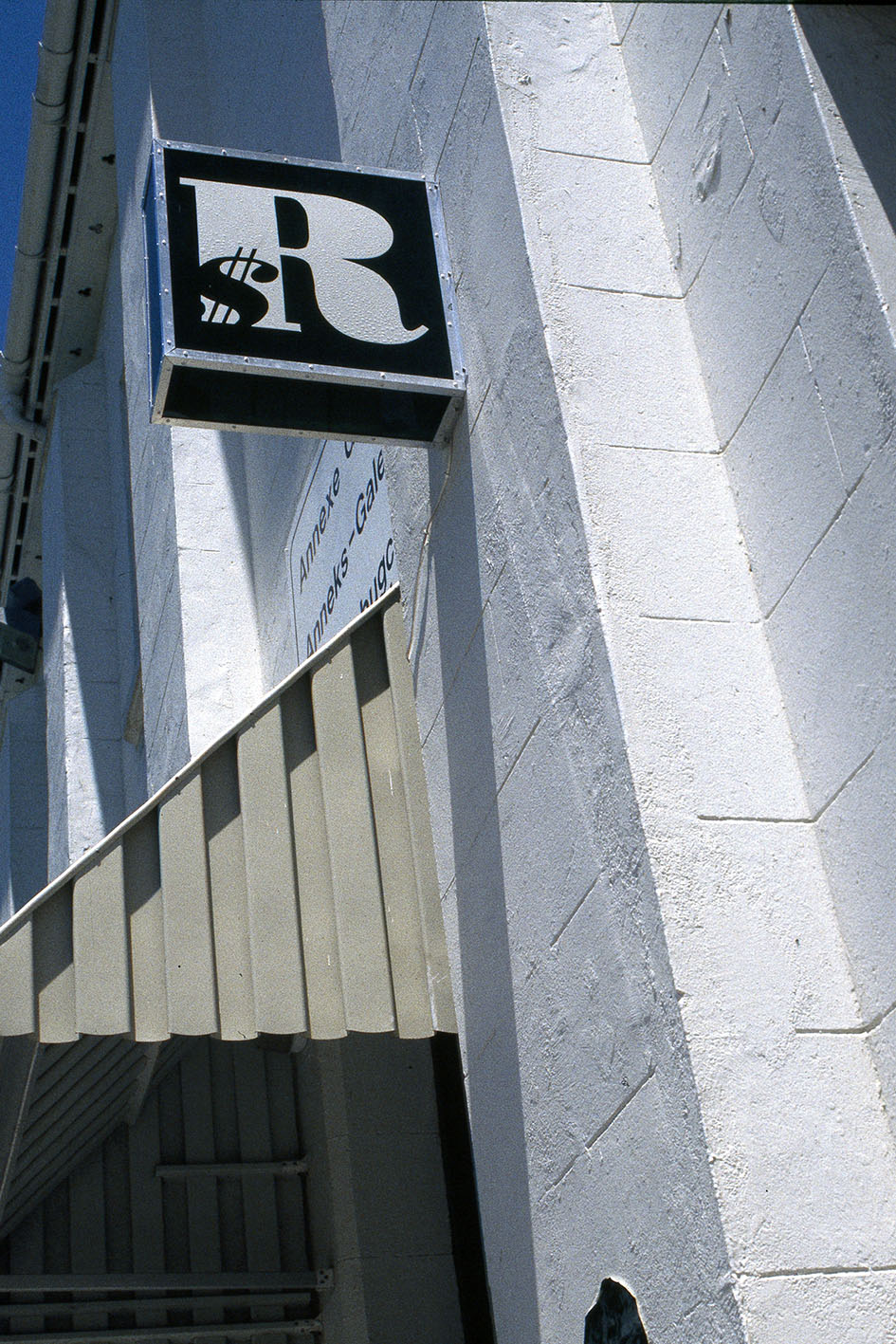
Sleuth/Rixdollar, South African National Gallery
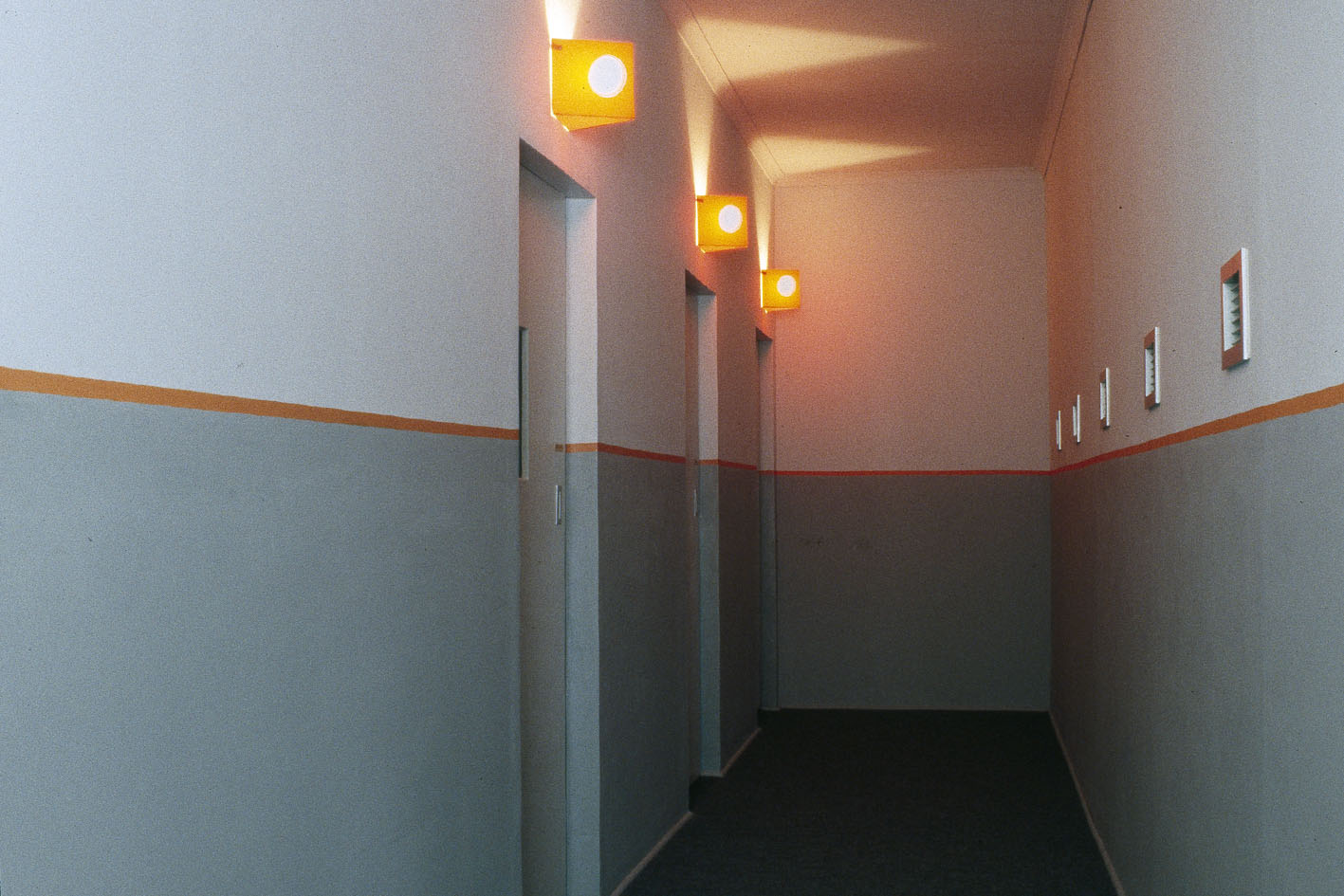
Sleuth/Rixdollar, South African National Gallery
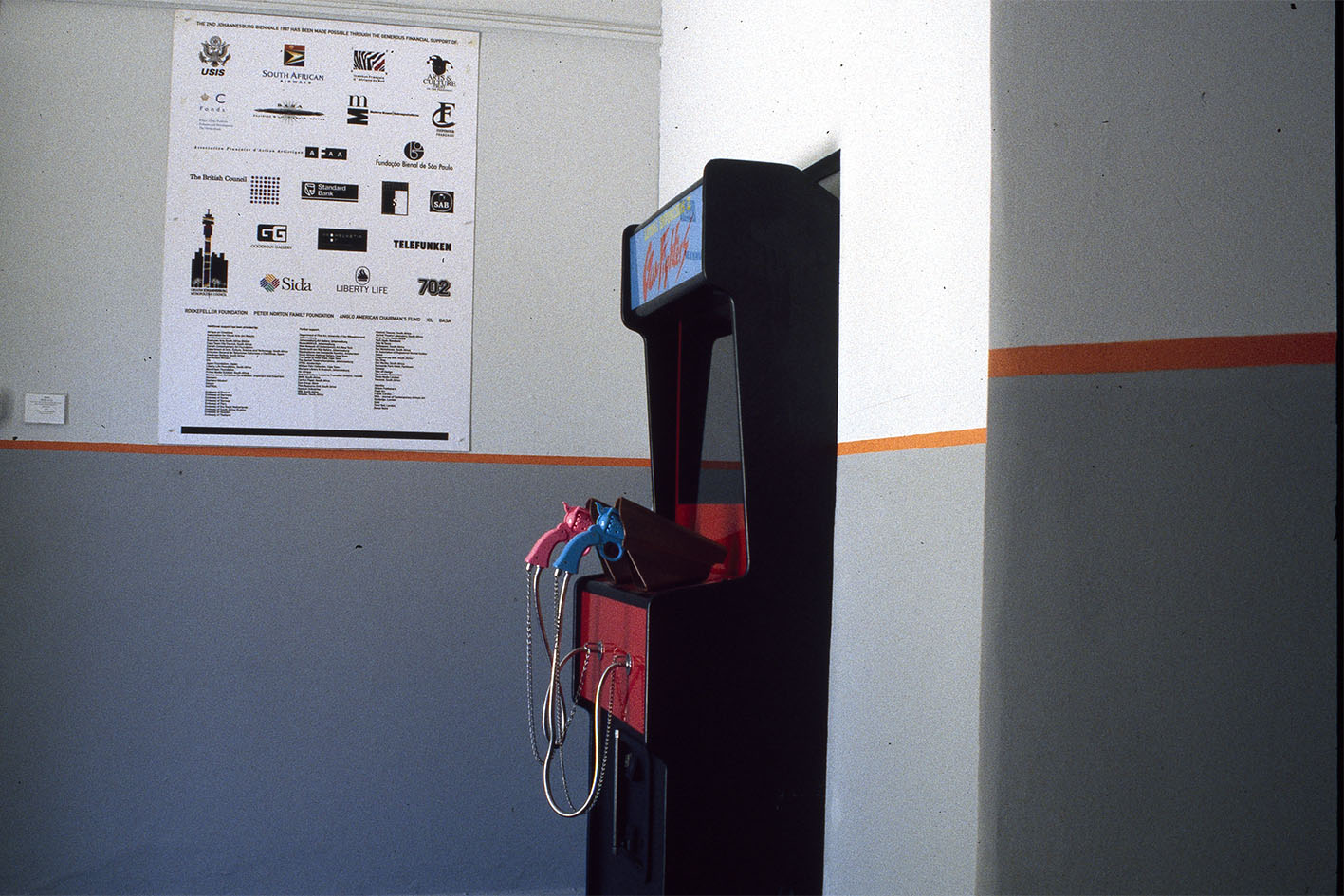
Sleuth/Rixdollar, South African National Gallery
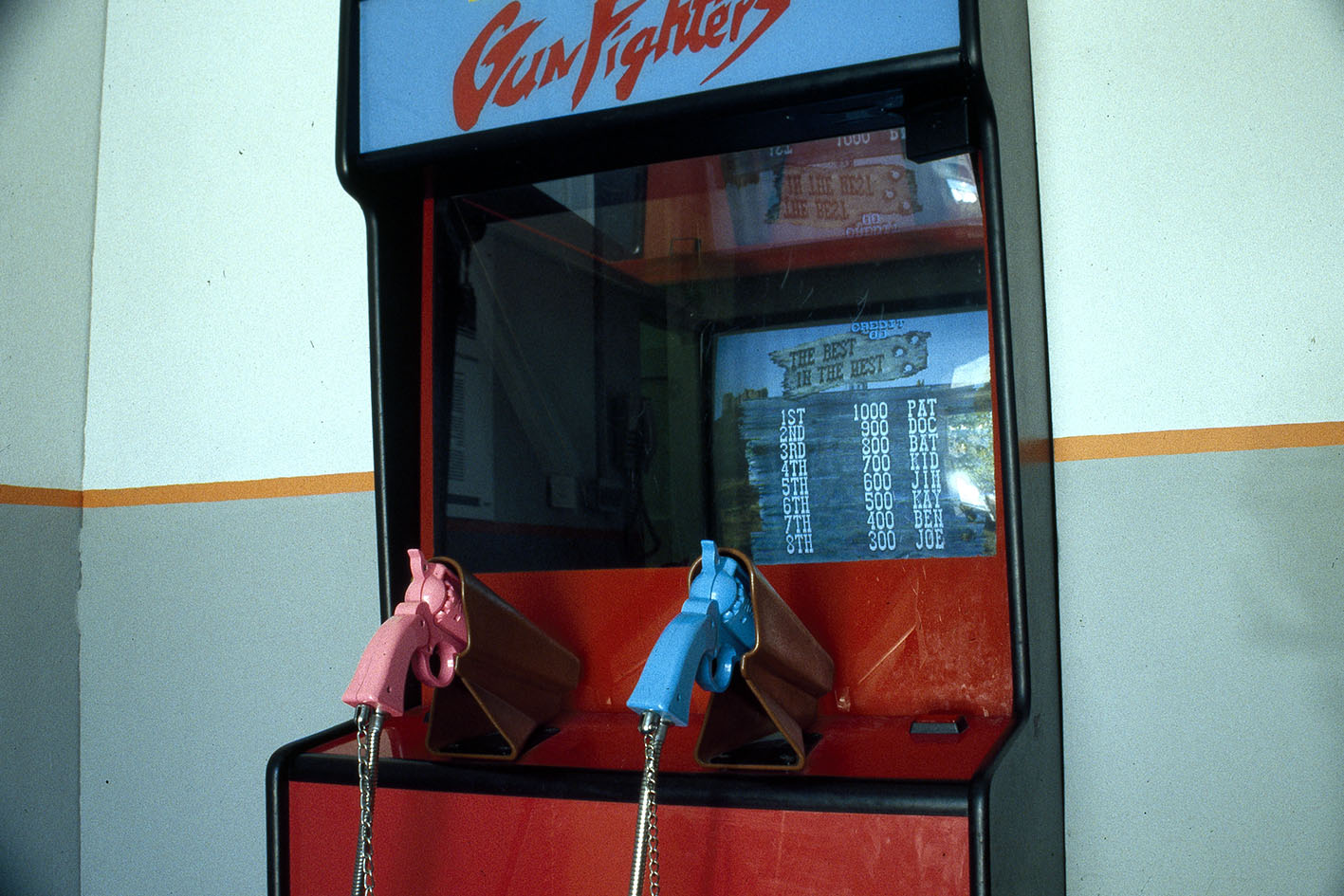
Sleuth/Rixdollar, South African National Gallery
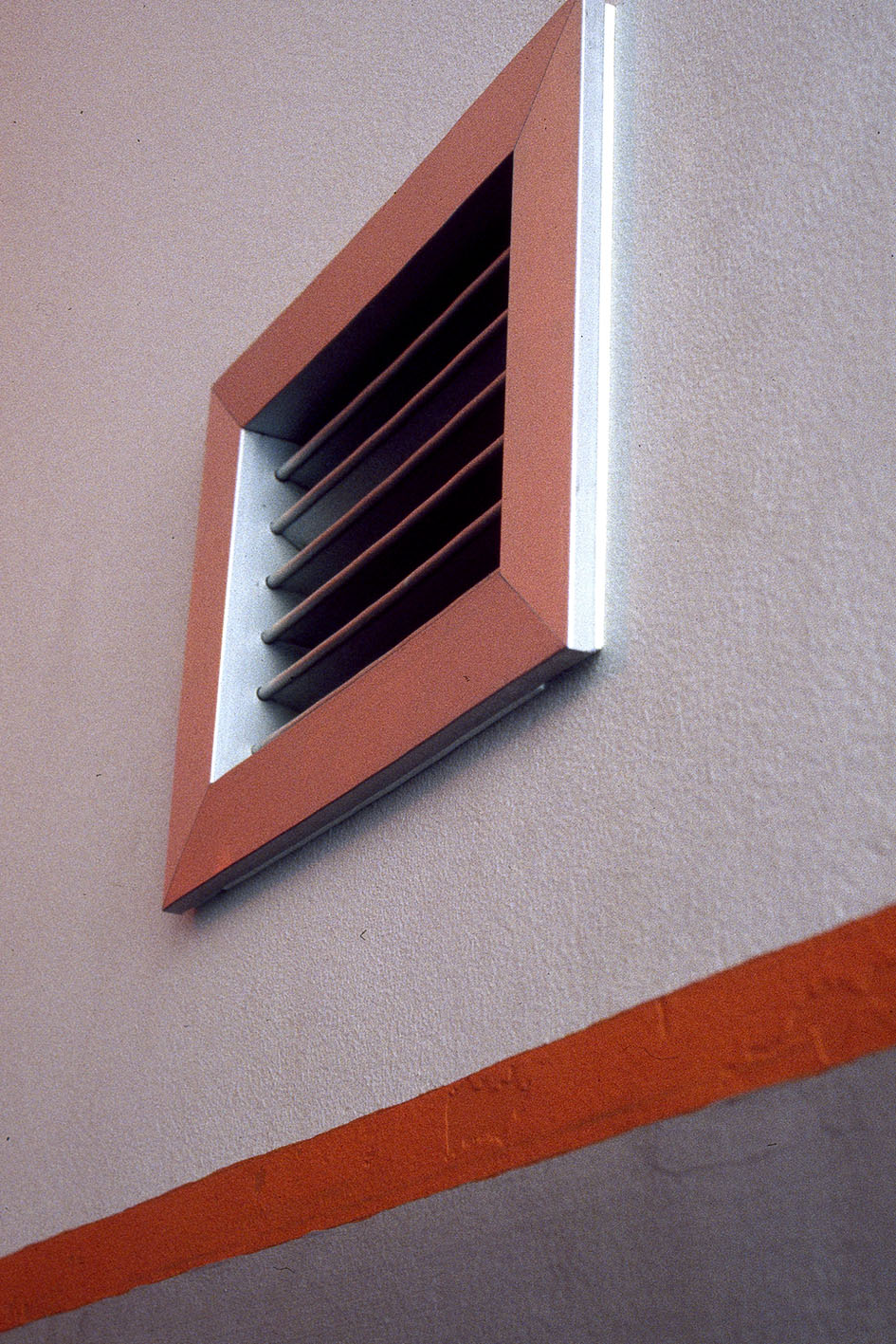
Sleuth/Rixdollar, South African National Gallery
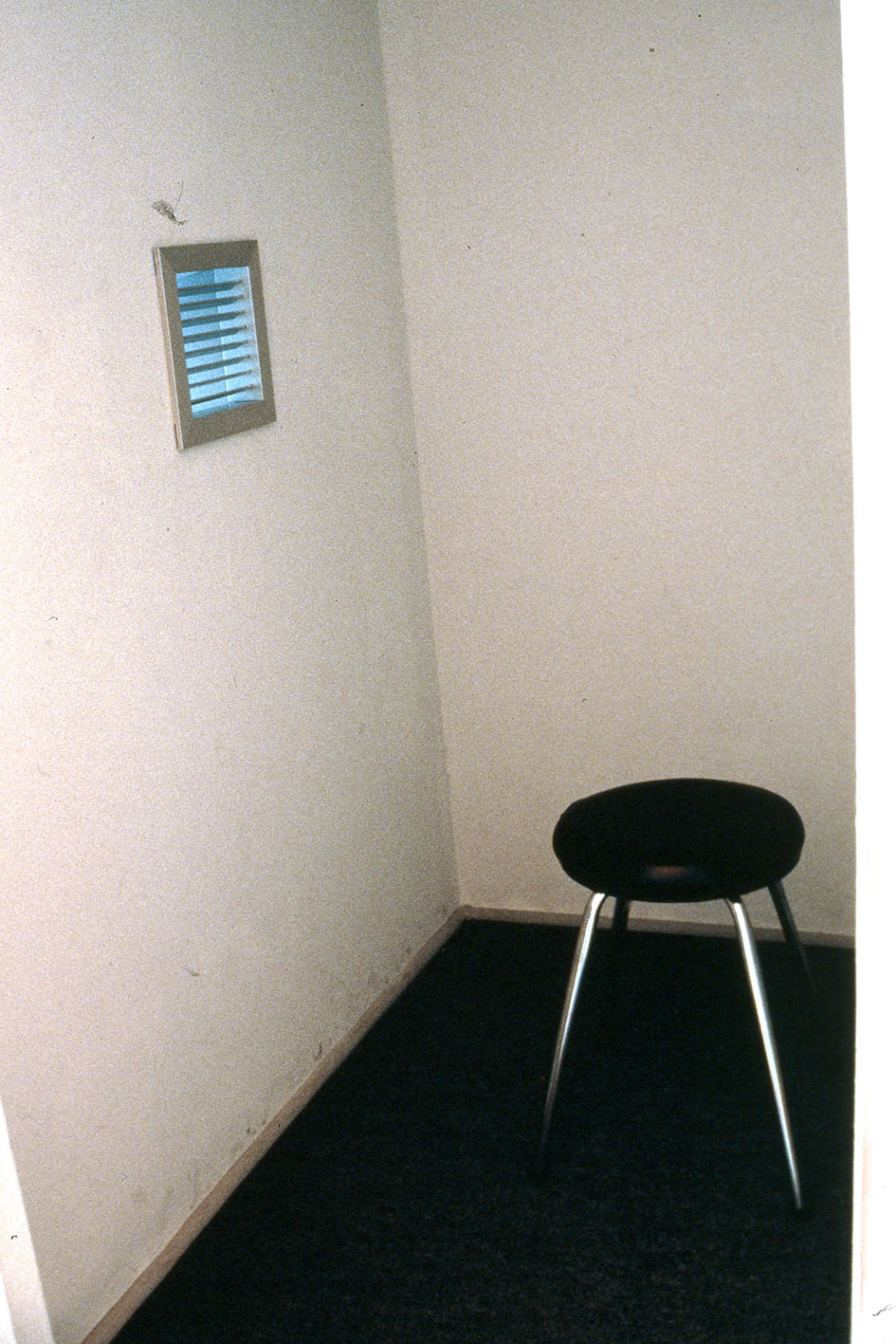
Sleuth/Rixdollar, South African National Gallery
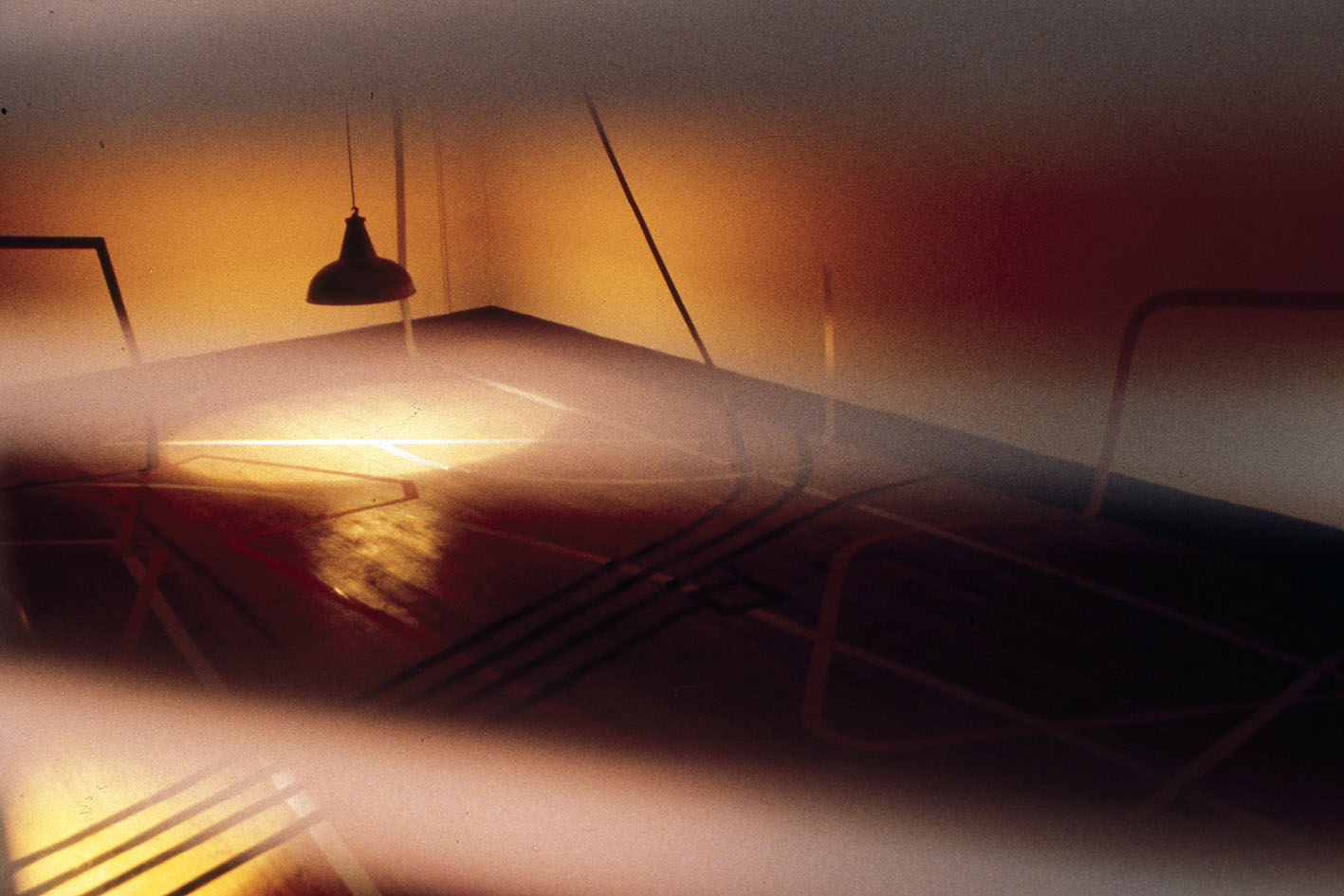
Sleuth/Rixdollar, South African National Gallery
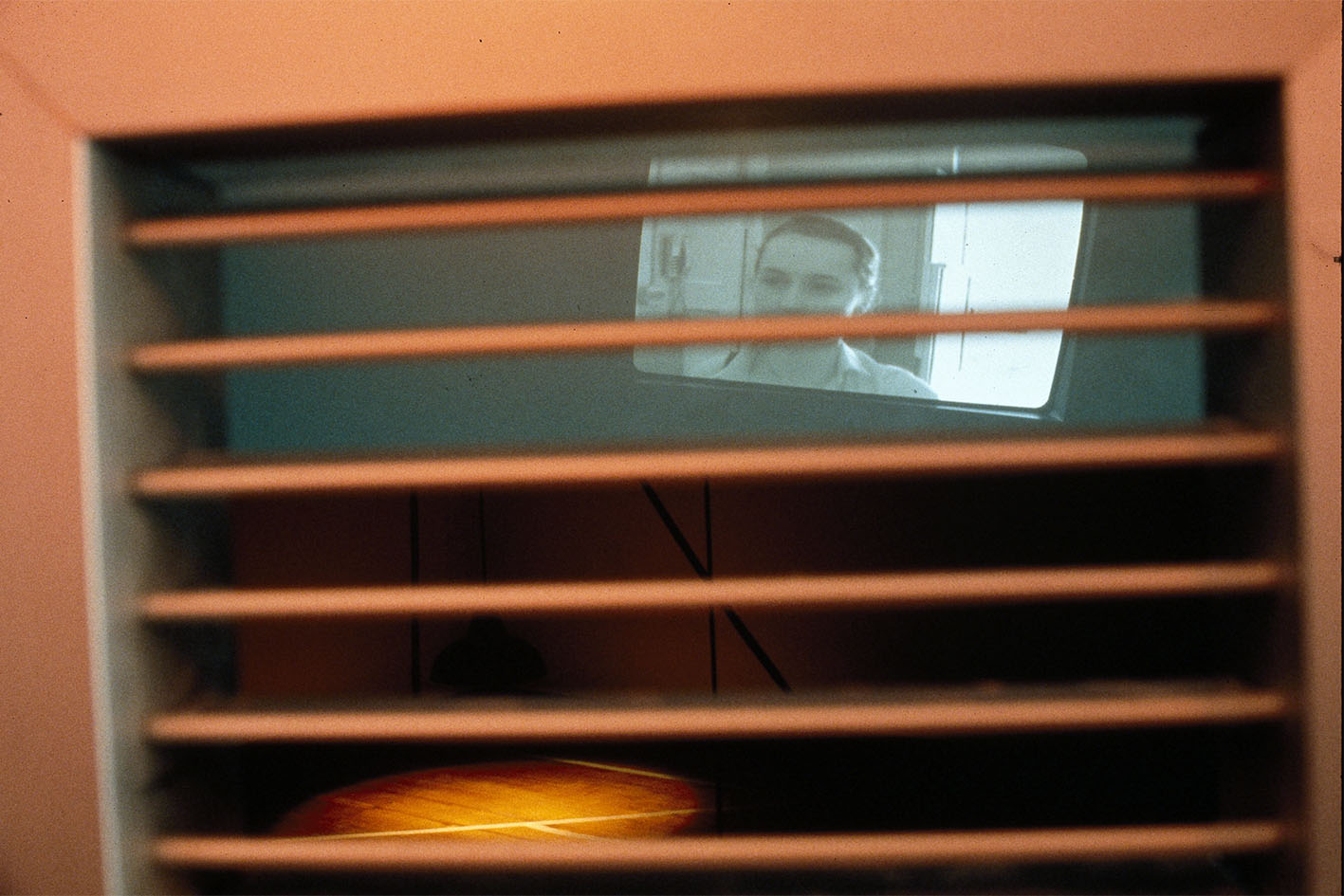
Sleuth/Rixdollar, South African National Gallery